When comparing fleet fuel cards, prioritize fuel savings through transparency over rebates. Effective fleet fuel programs for fleet managers combine spending limits and real-time fleet card tracking to reduce total operating costs, stop fraud, and improve visibility into every transaction.
When most fleet managers do a fleet fuel cards comparison, they often fall into the "coupon hunter" trap. They obsess over a per-gallon rebate, thinking a few cents of fuel savings drives profitability is the primary driver of profitability.
However, chasing rebate rates and ignoring "invisible" costs can hurt your cash flow management in the long term. It’s like trying to fix a leak in a dam with a Band-Aid.
If you want to compare fleet fuel cards as an operator would, you must look beyond the surface. Real fleet fuel efficiency, the kind that can save a company up to $650 per truck per month, is found in pricing transparency, network coverage, and tight spending controls.
Branded fuel cards, such as Shell or Wex fleet cards, often lead with fuel rebates to distract from a complex web of hidden fees.
When evaluating top fleet fuel cards, audit total operating costs, which include the following:
Many traditional fuel card companies charge you for the privilege of being a customer. You might encounter monthly card fees, account setup fees, or even "portal access" fees.
Nomad takes a different approach by offering a program with no monthly fees and no deposits required. If a business fuel card "saves" you money on per-gallon costs but hits you with $150 in setup fees and service charges, you aren't actually helping your bottom line.
Are your fuel purchases based on the "pump price" minus a rebate, or is your pricing tied directly to market trends?
In a volatile market, fuel accounting requires transparency. A modern fuel card program should offer clear, honest pricing that lets you see exactly what you are paying. If a provider hides their math behind fine print, it usually means the math doesn't favor the fleet.
For reference, fuel costs an average of $19.32 per hour per vehicle in 2024, which is slightly more than 21% of the marginal motor carrier costs.
A fuel card is only as good as the fueling locations that accept it. If your drivers must detour 15 miles off-route to find Shell stations just to use a specific branded fuel card, you’ve lost your fuel savings in driver time and fuel consumption.
The Nomad network offers discounts at thousands of fuel stops across North America, ensuring high network coverage that keeps your trucks on their primary routes.
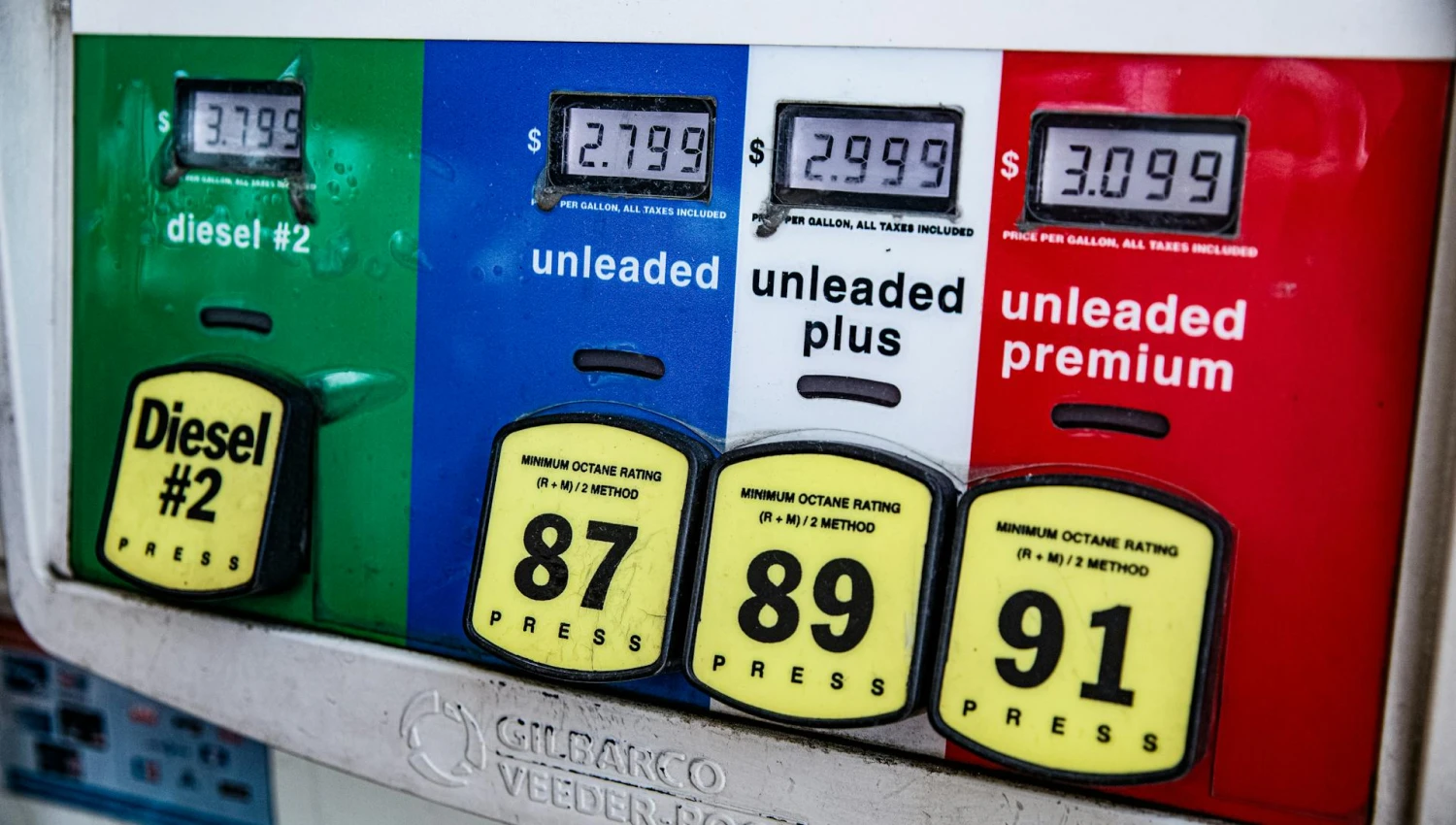
Image Source: Pexels
The biggest differentiator in a best fleet fuel search is the technology behind the plastic.
Modern fleet cards act as a sophisticated fleet management system, while legacy cards often function like simple business credit cards with fewer protections.
Simply put, modern fuel programs give you greater control and visibility over your operations, providing far more tailored advantages than just fuel rebates.
Use this checklist to evaluate your current provider and ensure you’re picking the right fuel card for your fleet size.
Managing fleet fuel shouldn't be a headache for small businesses. Whether you have two trucks or two hundred, you deserve access to the same volume-based discounts and nationwide savings network as the largest carriers.
When you perform your next fleet fuel cards comparison, don't just look for a coupon or discount. Look for a fleet management partner that offers the transparency, coverage, and security required to run a professional fleet in 2026.
Nomad helps you save money and improve your cash flow management by offering zero monthly fees and deposits. We put control back in your hands with honest pricing and employee spending tools, preventing lost or stolen cards from disrupting your operations.
Ready to stop hunting for coupons and start managing your fuel like an operator? Explore the Nomad fuel card and join North America's leading fuel discount network today.