Cross-border fleets can take control of fuel costs by fueling smarter. For example, having drivers consistently refuel at the same approved stations helps lock in predictable pricing. Avoiding high-cost stops and cutting unnecessary miles reduces spend, while automated logs simplify IFTA reporting. Monitoring at specific stations also helps prevent misuse. Together, these strategies keep fuel expenses predictable, efficient, and stress-free, so fleets can focus on growth.
As your route expands, keeping fuel costs under control becomes challenging. Differences in prices, taxes, transaction fees, and currency exchange rates between states and provinces can make your total cost per mile wildly unpredictable. Your drivers are navigating various regulatory systems. One unplanned stop can add thousands to your monthly fuel spend.
To manage this effectively, centralize fuel planning and set clear controls for where, when, and how drivers refuel. The following practical tips can help cross-border fleets reduce costs and improve consistency when traveling between the United States and Canada.
Diesel is generally cheaper in the United States than in Canada. According to Natural Resources Canada, Canada’s fuel prices are higher because of higher taxes, transportation costs, and regulatory differences. Provincial taxes can also widen the gap further, making fuel costs unpredictable when drivers refuel outside the approved network.
To control expenses, focus on designated fueling corridors. Use your fleet fuel cards to locate partner stations and map the best routes around them. From there, track driver activity to flag any unauthorized spending.

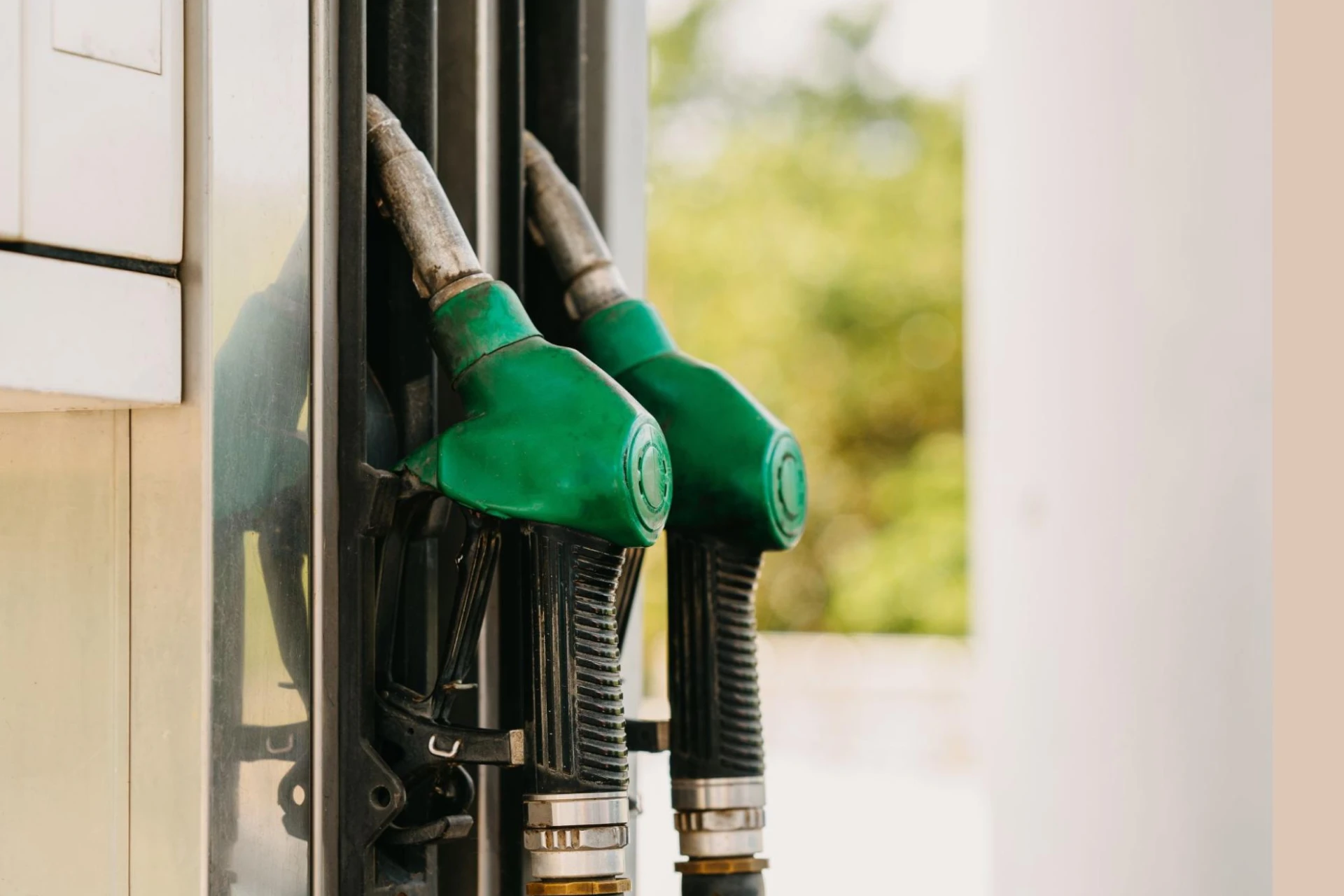
Source: Shutterstock
Fuel economy improves when routes are more carefully planned. Drivers who detour to find truck-friendly stations can add 10 to 40 extra miles per stop, burning fuel and increasing wear and tear on vehicles. Over time, detours can increase your annual maintenance costs.
The best approach is to set designated fueling stops along well-mapped corridors. Plan stops to match the vehicle's range, so drivers never have to search blindly for the next pump. Use GPS breadcrumbs to flag unnecessary detours and refine future routes for maximum efficiency.
Long-haul, cross-border fleets often refuel in isolated locations, which can leave them exposed to card-skimming devices. Fraudulent charges may go unnoticed for weeks, impacting your bottom line.
For better control, swap your payment card for a fuel card. Fuel cards come with fleet management software that allows you to set strict card controls, and receive real-time alerts when limits are exceeded. This keeps refueling within approved parameters, protecting your fleet from unnecessary financial risk.
Tracking fuel data across multiple jurisdictions, states, and provinces is a complex process. Manually entering all this information into legacy systems can take several hours a day, diverting attention from your core operations.
To save time, switch to a modern AI-powered solution such as Nomad, which captures every transaction and compiles data into detailed reports. This makes reporting faster, easier and more reliable.
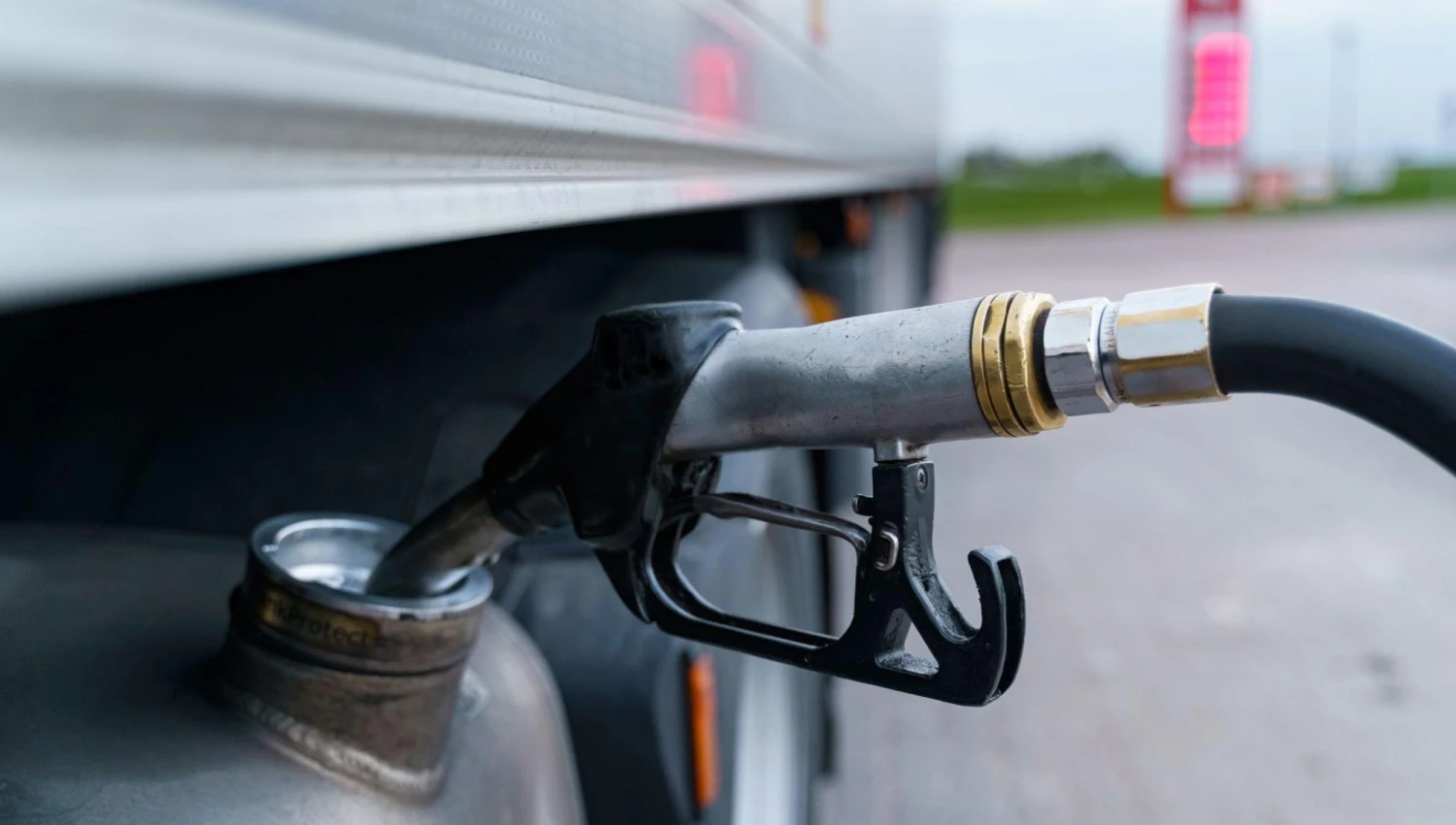
Source: Shutterstock
Take control of your cross-border fuel costs with Nomad fleet fuel cards. We’ll help you manage fuel smarter, track spending, and get clear insights into your fleet’s fuel activity.
Get started today and take the guesswork out of fueling your fleet.