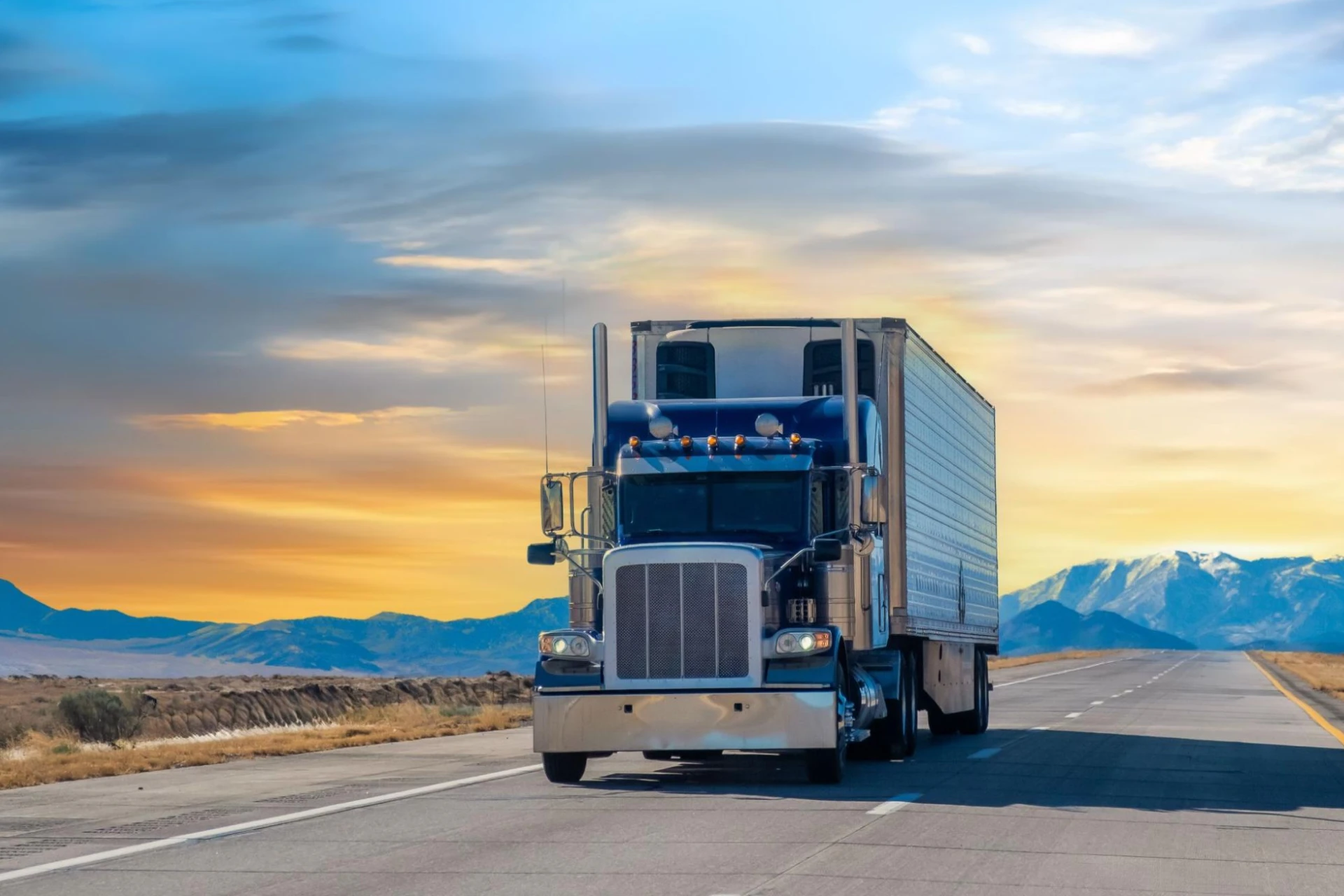
Maximize fuel efficiency and driver safety with AI fleet management. Discover how AI in fleet management optimizes fleet operations through predictive maintenance and route optimization. Boost fleet performance with Nomad, North America’s leading fuel discount network.
For years, managing fuel costs felt like a constant guessing game: you’d watch pump prices rise and fall and do your best to react. But AI-powered fleet management has changed that. The most successful fleet operators today have stopped just responding to fuel prices and are using artificial intelligence to turn fuel spend into a real competitive edge.
When you integrate AI into your fleet management strategy, fuel stops being an unavoidable expense you simply absorb. It becomes something you can actively manage and optimize, a strategic lever that helps drive growth and improve margins.
Below, we’ll break down how combining AI with the Nomad network gives you clear, reliable data, the kind that helps you compete with larger carriers and keep your fuel costs transparent, predictable, and under control.
Optimizing Routes with Real-Time Fleet Data
Standard navigation tools find the shortest path, but AI tools find the most efficient routes. AI in fleet management analyzes real-time data, traffic patterns, weather conditions, and road gradients to instantly adjust and optimize routes.
Fuel savings: AI-driven route optimization can significantly reduce fuel consumption by preventing idling in heavy traffic and avoiding inefficient detours.
Operational velocity: By finding the most efficient routes, you shorten delivery windows and boost efficiency across your fleet.
Dynamic adjustments: These AI systems provide real-time monitoring, enabling instant rerouting before a driver even hits the brakes, eliminating costly delays.
Predictive Maintenance: Protecting Vehicle Health
A truck that’s not running at peak engine performance is wasting fuel. Predictive maintenance uses machine learning and historical data to identify early warning signs of mechanical failure, triggering maintenance before a breakdown.
Focus Area
AI Implementation
Result for Your Fleet
Engine Performance
Uses machine learning and historical engine diagnostics data to spot early failure signs.
Stops trucks from wasting fuel due to mechanical lag.
Proactive Maintenance
AI models monitor vehicle sensors for tire pressure and cooling issues.
Fleet managers get alerts before small issues spike fuel consumption.
Repair Costs
Uses predictive analytics to schedule service well in advance of a breakdown.
Delivers real-time insights into the condition of every asset.
Maintains higher asset value and ensures total fuel efficiency.
Monitoring Driver Behavior to Enhance Safety
The person behind the wheel has the greatest impact on your fuel efficiency. AI in fleet management uses driver behavior monitoring to provide a clear picture of what’s happening on the road.
Monitor driver behavior: Artificial intelligence monitors habits such as harsh braking, excessive idling, and aggressive driving.
Systems alert drivers: In-cab AI-driven systems provide real-time feedback, helping correct risky driving behaviors as they happen.
Identify risk patterns: Fleet managers can use telematics data to identify risk patterns, enabling targeted coaching that simultaneously improves safety and lowers fuel costs.
Fleet safety: Beyond fuel savings, these tools improve driver safety scores, which can lead to lower insurance premiums and better risk management.
Fleet operators are often overwhelmed by raw data from electronic logging devices and other digital systems. Fleet management platforms powered by AI act as the "brain,” turning operational data into actionable insights.
Traditional Fleet Management
AI-Powered Fleet Management
Manual route optimization
AI optimizing routes with real-time data
General fuel usage tracking
Granular fuel efficiency and reduced fuel costs
Basic cost control
AI-driven fleet optimization and cost control
By implementing AI systems, you can streamline operational efficiency through automated workflows. This allows fleet management to focus on growth rather than paperwork.
The Nomad Advantage: AI Tools Meet the Leading Fuel Network
While AI fleet management optimizes how you use fuel, Nomad optimizes how you buy it. As North America's leading fuel discount network, we believe that staying competitive requires a combination of high-tech fleet management systems and honest, transparent pricing.
You’re not just reducing fuel usage through better technology and real-time insights; you’re also tapping into the industry's biggest fuel discounts.
Low friction: We offer a simple sign-up with no monthly fees and no deposit required.
Broad coverage: Tap into thousands of fuel stops across North America.
Total transparency: Track transactions, set limits, and see transparent pricing tied to market trends.
FAQs About AI Fleet Management
How does AI actually help fleet managers reduce fuel costs?
−
AI identifies inefficiencies that burn unnecessary fuel, such as excessive idling and harsh braking. It also optimizes routes in real time, ensuring your drivers take the most efficient routes.
Is AI fleet management worth it for smaller companies?
+
Absolutely. AI in fleet management allows smaller transporters to level the playing field by providing the same actionable insights and cost control tools used by massive fleets.
What is the difference between preventive and predictive maintenance?
+
Preventive maintenance is performed on a fixed maintenance schedule (e.g., every 10,000 miles). Predictive maintenance uses predictive analytics and vehicle sensors to monitor actual vehicle health, alerting you only when a part is truly drifting toward failure.
In Summary
Optimized fuel usage: AI in fleet management uses real-time data to find the most efficient routes, cutting fuel consumption by avoiding idle time and heavy traffic.
Proactive vehicle health: Use predictive maintenance to identify engine issues weeks before a breakdown occurs, protecting your entire fleet and reducing overall repair costs.
Enhanced driver safety: AI-powered driver behavior monitoring tracks harsh braking and risky behavior, providing in-cab coaching to improve safety and fuel efficiency.
Zero upfront friction: Getting started with Nomad’s fuel program is simple, with no monthly fees and no deposit required for your company.
Supercharge Driver Safety and Fleet Health
The future of transport is data-driven. AI fleet management provides tools to boost efficiency, improve fleet safety, and reduce fuel costs. When combined with the power of the Nomad network, your fuel spend stops being a burden and starts being your greatest competitive edge.
Stop letting fuel costs dictate your margins. Take control of your fleet operations by embracing AI technology and joining a network committed to your success.
Want to see how much you could save on your fleet operations? Contact us today to learn more about the Nomad fuel program and how we can lower fuel costs and improve vehicle safety across your entire fleet.